At Gumbo our mission is to improve health outcomes for individuals from multi-cultural and multi-lingual communities that might struggle with low literacy and limited English proficiency. We seek to provide trusted, clinically sound and culturally appropriate content to communities that are underserved and, in many instances, invisible from the healthcare system. We do that by equipping the people these communities already trust, community health workers, and by making their work a lasting, funded part of care.”
Gumbo provides capability under three pillars: CHW revenue capture (CHI, PIN, CCM and payor CHW codes), tech-enabled care coordination, and culturally tailored education.
Plain-language content in patients’ own languages, by voice, video and text, with text-to-speech for low-literacy users.
Patients learn at home, on the go or in community settings. CHWs log outreach from their phones, with documentation that holds up in an audit.
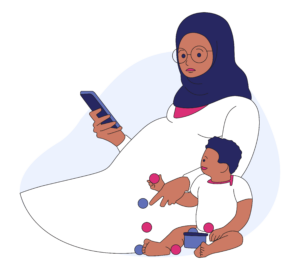
Maria, a Spanish-speaking patient with diabetes, meets a community health worker after her first clinic visit. Her CHW enrolls her in diabetes lessons in Spanish, with audio she can listen to at home, and logs each follow-up call from her phone. Maria feels more confident managing her health, and the clinic documents and bills the CHW time that supported her.
Gumbo helps culturally diverse communities take an active role in their health, and helps the CHW teams who serve them last. Through ongoing evaluation and feedback we keep adapting, toward a common goal: health equity that sustains itself.